
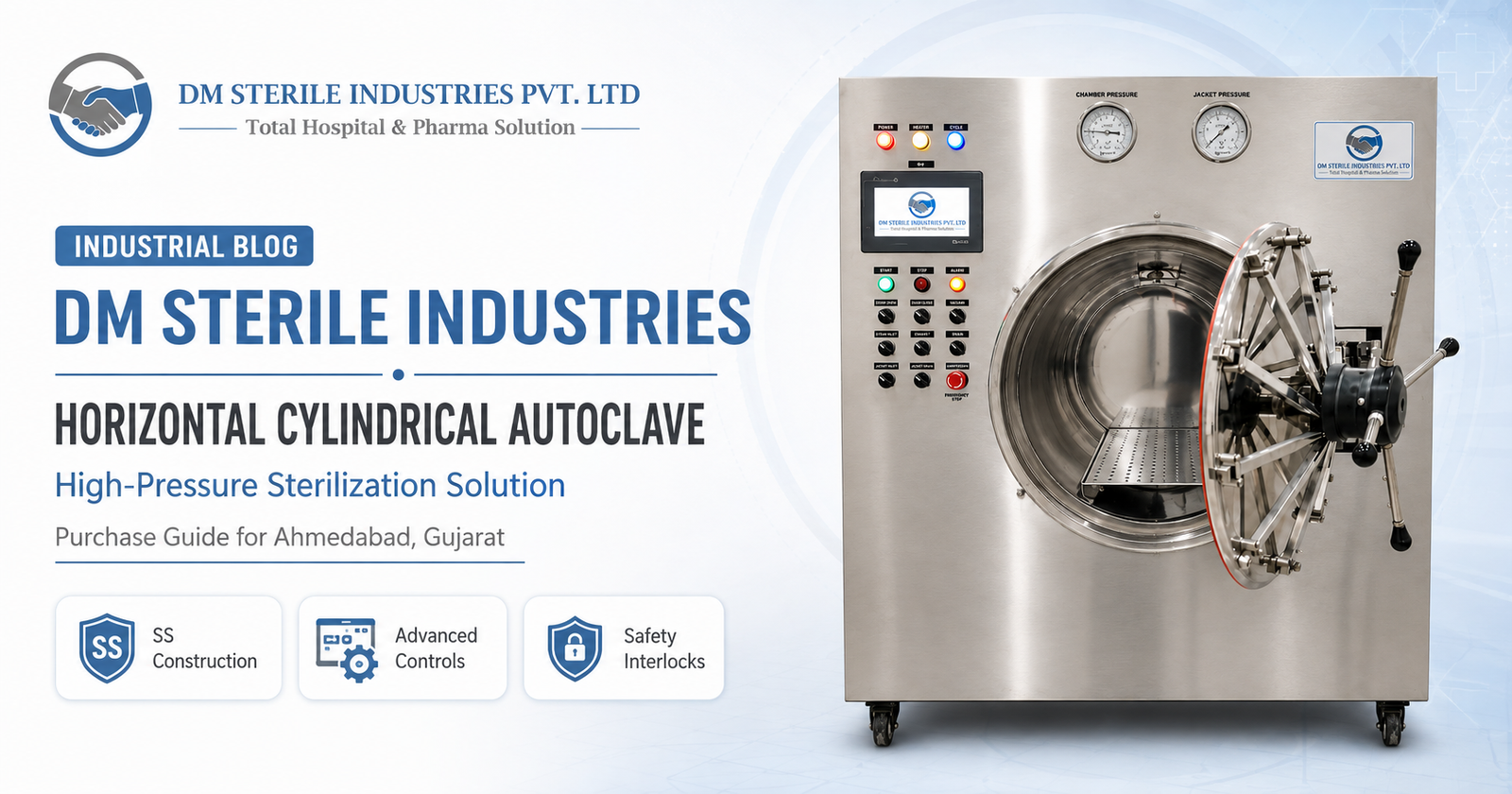
Horizontal Cylindrical Autoclave purchase high pressure
Considering a horizontal cylindrical autoclave for high-pressure sterilization in Ahmedabad, Gujarat? Understand key features, applications, and selection crite
Why This Matters in Ahmedabad, Gujarat
Ahmedabad, a significant industrial hub in Gujarat, hosts a thriving ecosystem of pharmaceutical manufacturers, medical device companies, hospitals, and research laboratories. These sectors operate under stringent regulatory guidelines that demand validated sterilization processes. The continuous growth and expansion of these industries in the region create a sustained need for efficient, high-capacity sterilization equipment like the horizontal cylindrical autoclave. Local businesses require reliable suppliers who can provide not only the machinery but also comprehensive support tailored to their operational demands.
What is a Horizontal Cylindrical Autoclave — Overview
A horizontal cylindrical autoclave is a pressure vessel designed to sterilize items using saturated steam at elevated temperatures and pressures. Its cylindrical chamber is typically oriented horizontally, allowing for easier loading and unloading of larger or multiple items. The process involves introducing steam into the sealed chamber, which rapidly heats the contents and penetrates materials, effectively destroying bacteria, viruses, fungi, and spores. These units are engineered for high-pressure operation, ensuring thorough sterilization cycles necessary for critical applications.
Key Features and Technical Specifications
- Robust Stainless Steel Construction: Chamber and jacket typically made from SS 304 or SS 316L for corrosion resistance and durability.
- High-Pressure Operation: Capable of achieving pressures up to 1.2 to 2.2 kg/cm² (15-30 psi) and temperatures of 121°C to 134°C.
- Advanced Control System: Microprocessor or PLC-based controls for precise temperature, pressure, and cycle time management.
- Safety Interlocks: Multiple safety features including pressure interlocks, over-temperature cut-offs, and door safety mechanisms.
- Vacuum Drying System: Integrated vacuum pump for efficient post-sterilization drying of porous loads and instruments.
- Radial Locking Door: Secure, easy-to-operate door mechanism ensuring a tight seal during high-pressure cycles.
- Steam Generation Options: Can be supplied with an integrated electric steam generator or connected to an external steam source.
- Customizable Chamber Volume: Available in various capacities to suit different load requirements and facility sizes.
Industrial Applications and Use Cases
- Pharmaceutical Manufacturing: Sterilization of glassware, media, bulk drug components, and waste materials.
- Healthcare Facilities & Hospitals: Sterilization of surgical instruments, gowns, drapes, and medical waste in CSSD departments.
- Medical Device Manufacturing: Terminal sterilization of heat-stable medical devices and components.
- Biotechnology & Research Laboratories: Sterilization of laboratory media, reagents, glassware, and biohazardous waste.
- Food Processing Industry: Sterilization of certain food products or processing equipment to extend shelf life and ensure safety.
- Veterinary Clinics: Sterilization of surgical tools and equipment for animal care.
- Academic Institutions: For research and educational purposes requiring sterile environments.
How to Choose the Right Horizontal Cylindrical Autoclave
Selecting the appropriate horizontal cylindrical autoclave involves a careful assessment of operational needs and technical specifications. This equipment represents a significant investment, and an informed decision ensures long-term reliability and compliance.
- Capacity and Load Size: Determine the required chamber volume based on the typical load size and throughput.
- Operating Parameters: Verify the maximum pressure and temperature capabilities align with your sterilization protocols.
- Regulatory Compliance: Ensure the unit meets relevant industry standards such as ISO, GMP, and local health regulations.
- Automation Level: Consider whether manual, semi-automatic, or fully automatic operation is suitable for your workflow and staffing.
- Material Quality: Prioritize units constructed with high-grade stainless steel for longevity and resistance to corrosion.
- Supplier Reputation and Support: Evaluate the manufacturer's track record, technical support, and availability of spare parts.
- Installation and Utilities: Assess the facility's infrastructure for power, water, and steam supply, and plan for proper installation.
- Validation and Documentation: Confirm the supplier provides comprehensive documentation for installation qualification (IQ), operational qualification (OQ), and performance qualification (PQ).
Quality Standards and Compliance
Adherence to quality standards is non-negotiable for sterilization equipment, especially for a horizontal cylindrical autoclave operating under high pressure. Buyers must ensure that the chosen equipment complies with international and national standards such as ISO 13485 for medical devices, Good Manufacturing Practices (GMP) for pharmaceuticals, and specific standards like EN 285 for large steam sterilizers. Verification of certifications like ISO 9001 for the manufacturer's quality management system, along with CE marking or other regional approvals, provides assurance of product quality and safety. Thorough documentation for validation and calibration is also crucial for regulatory audits and operational integrity.
Why DM Sterile Industries' Experience and Capability Matters
Dm Sterile Industries, established in 2024 by Mr. Divyang Koshti and Mr. Maulik Jani, brings a focused approach to sterilization technology. Drawing on the founders' background as dynamic leaders in CSSD machines and furniture, the company is committed to delivering robust and reliable solutions for high-pressure sterilization needs. Dm Sterile Industries specializes in providing custom solutions, ensuring that each horizontal cylindrical autoclave is tailored to specific client requirements. Their emphasis on advanced automation and controls, coupled with end-to-end customer support, ensures operational efficiency and peace of mind for clients in the pharmaceutical, healthcare, medical device manufacturing, and biotechnology sectors. The company's dedication to quality standards and technical capability is foundational to their manufacturing process.
Installation, Maintenance and Care Tips
Proper installation and diligent maintenance are crucial for the long-term performance and safety of a horizontal cylindrical autoclave. The installation process should be carried out by qualified technicians, ensuring correct utility connections for power, water, and steam, along with proper ventilation. Calibration of pressure and temperature sensors is also vital during commissioning.
Regular maintenance includes:
- Daily Checks: Inspecting door gaskets for wear, cleaning the chamber, and checking drain filters.
- Weekly Checks: Verifying water levels in the steam generator (if internal), cleaning external surfaces, and checking safety valves.
- Monthly/Quarterly Checks: Calibrating gauges, inspecting steam traps, checking electrical connections, and performing leak tests.
- Annual Servicing: Comprehensive inspection, replacement of worn parts, and re-validation by a certified service provider.
Always follow the manufacturer's guidelines for loading, operating cycles, and troubleshooting to ensure optimal performance and extend the lifespan of the equipment.
Frequently Asked Questions
The main advantage lies in its robust design, which is ideal for high-pressure steam sterilization of large volumes or bulky items. Its horizontal orientation facilitates easier loading and unloading, making it suitable for industrial and hospital settings where efficient throughput is essential for sterilizing diverse loads, from surgical instruments to laboratory media.
Autoclaves should undergo routine maintenance daily or weekly, depending on usage frequency. A comprehensive professional service, including calibration and safety checks, is typically recommended annually. This schedule helps ensure the equipment operates safely, maintains sterilization efficacy, and complies with regulatory requirements, preventing unexpected downtime.
Critical safety features include pressure interlocks that prevent the door from opening during a cycle, over-temperature and over-pressure relief valves, and automatic shut-off mechanisms. These features are designed to protect operators from steam burns and pressure-related hazards, ensuring safe operation even under high-pressure conditions.
Yes, many manufacturers offer customization options for horizontal cylindrical autoclaves. This can include variations in chamber size, material of construction, control system sophistication, and integration with other facility systems. Customization ensures the autoclave precisely meets the unique operational requirements and space constraints of different industrial applications.
Horizontal cylindrical autoclaves are suitable for sterilizing heat-stable materials such as surgical instruments, laboratory glassware, culture media, pharmaceutical components, medical waste, and certain textiles. It is crucial to avoid sterilizing heat-sensitive materials or those that could release toxic fumes under high-temperature steam conditions.
The primary difference is the shape of the sterilization chamber. Cylindrical autoclaves are generally more cost-effective to manufacture for high-pressure applications and are robust. Rectangular autoclaves, while sometimes more expensive, offer better space utilization within the chamber, allowing for more efficient loading of trays and baskets, particularly in high-volume settings.
Conclusion
The acquisition of a horizontal cylindrical autoclave for high-pressure sterilization is a strategic decision for any facility in Ahmedabad, Gujarat, operating in critical sectors. It requires a thorough understanding of technical specifications, application demands, and adherence to stringent quality standards. By carefully evaluating capacity, automation, compliance, and the capabilities of the supplier, organizations can ensure they invest in a reliable, efficient, and safe sterilization solution. Making an informed choice supports operational integrity and contributes to maintaining the highest standards of hygiene and safety.
Get In Touch
Dm Sterile Industries