
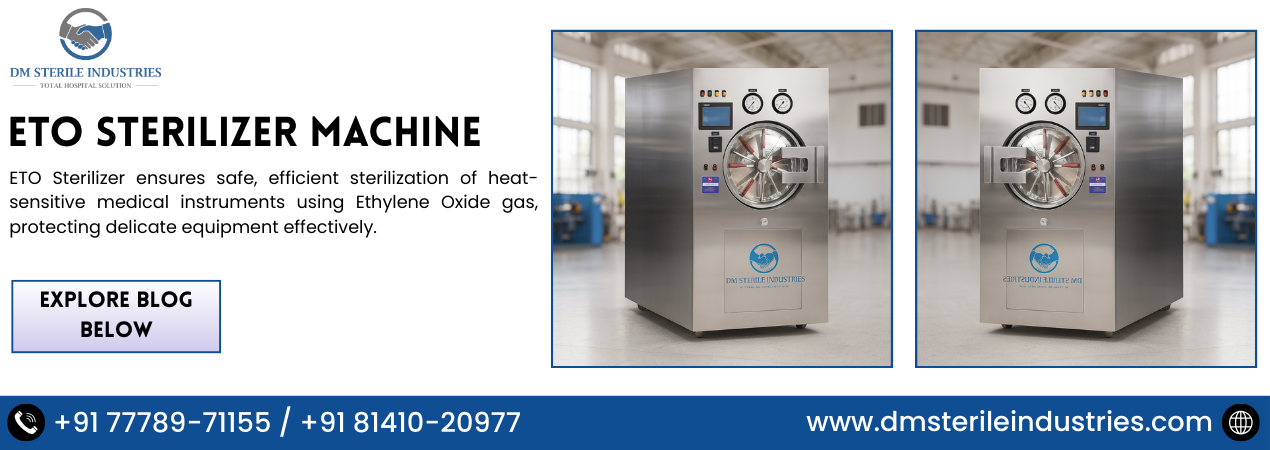
ETO Sterilizer for Medical Devices
Introduction to ETO Sterilization for Medical Devices
ETO (Ethylene Oxide) sterilization is a vital process for ensuring the safety and effectiveness of a wide range of medical devices. Unlike high-temperature methods, ETO gas can penetrate complex, sealed packaging and delicate materials without causing damage, making it the preferred choice for devices that cannot withstand heat or moisture. From single-use disposables to complex surgical instruments with embedded electronics, ETO sterilizers play a critical role in providing sterile, safe, and reliable medical products to hospitals and healthcare providers worldwide.
Why ETO Gas is Ideal for Medical Device Sterilization
The low-temperature process of ETO sterilization is uniquely suited for the sensitive nature of modern medical devices. Many instruments contain plastics, polymers, electronics, or other materials that would melt or degrade in a steam autoclave. ETO gas permeates these materials at a temperature below 60°C, effectively killing all microorganisms, including resistant spores, while preserving the device’s structural integrity and function. This non-corrosive and non-damaging method is essential for high-value and complex medical equipment, ensuring a long shelf life and patient safety.
Types of Sterilization Methods for Medical Devices
- ETO Gas Sterilization :- Ideal for heat- and moisture-sensitive medical devices, electronics, and plastics that require low-temperature sterilization.
- Steam Sterilization (Autoclave) :- Uses high-pressure steam for durable, heat-resistant surgical instruments and glassware.
- Plasma Sterilization (H2O2) :- A low-temperature method that uses hydrogen peroxide plasma for fast cycles on non-porous instruments.
- Dry Heat Sterilization :- Suitable for sterilizing glassware, powders, and anhydrous materials that cannot be sterilized with steam.
- Radiation Sterilization :- Uses gamma rays or electron beams for large-scale, terminal sterilization of pre-packaged devices.
Key Features of an ETO Sterilizer for Medical Devices
- Precise Temperature & Humidity Control :- Ensures optimal conditions for the ETO gas to penetrate and sterilize effectively without causing damage.
- Automated & Validatable Cycles :- Equipped with pre-programmed cycles that meet stringent international standards, with data logging for traceability and validation.
- Advanced Safety Mechanisms :- Integrated gas detection, door interlocks, and a powerful aeration system protect operators from exposure and ensure safety compliance.
- Stainless Steel Chamber :- A robust, non-corrosive construction ensures the integrity of both the sterilizer and the medical devices inside.
Applications in Medical Device Manufacturing and Healthcare
- Medical device manufacturers use ETO sterilizers for sterilizing final packaged products, including catheters, syringes, surgical implants, and disposables, before they are shipped to hospitals.
- Hospitals and surgical centers use ETO sterilization for sensitive, re-usable medical equipment like endoscopes, cameras, and monitoring probes that would be damaged by autoclaving.
- Diagnostic and laboratory facilities rely on ETO sterilizers to sterilize sensitive labware, plastic consumables, and sample collection devices, ensuring reliable test results.
- Specialized clinics, such as those for cardiology or ophthalmology, use ETO sterilization for their specific, often delicate, instruments and diagnostic tools.
Benefits of ETO Sterilizers for Manufacturers and Healthcare
- Maintains the structural and functional integrity of heat-sensitive medical devices, protecting valuable and complex equipment from damage.
- Ensures deep penetration into complex device geometries, porous materials, and sealed packaging, guaranteeing complete sterility for all product types.
- Provides a highly reliable and repeatable sterilization process that meets the strict regulatory requirements of bodies like the FDA and ISO.
- Enables the use of a wide range of materials in device manufacturing, including plastics and polymers, which would otherwise be incompatible with other sterilization methods.
Manufacturers & Suppliers in India
India has many reputed ETO sterilizer manufacturers and suppliers providing advanced sterilization solutions. Leading companies such as DM Sterile Industries in Ahmedabad, Krishna Engineering established in 2000, and Rujikon in Mumbai are known for their high-quality, safe, and reliable ETO sterilizers. These firms serve hospitals, pharmaceutical industries, and laboratories across India and abroad with efficient sterilization technology.
Maintenance and Safety Tips
- Follow the manufacturer’s guidelines for proper loading of medical devices to ensure optimal gas penetration and effective sterilization.
- Regularly check and validate the sterilization cycles with biological indicators to ensure the efficacy of the sterilization process.
- Ensure the sterilizer room is properly ventilated to safely handle ETO gas and maintain a safe working environment.
- Calibrate the sensors and controls periodically to ensure the temperature, humidity, and gas concentration are always precise for reliable sterilization.
- Adhere to a strict maintenance schedule to prevent any gas leaks and ensure the long-term, safe operation of the sterilizer.
FAQs – ETO Sterilizer for Medical Devices
Contact Details
Talk to our specialists today for tailored solutions and fast assistance.