
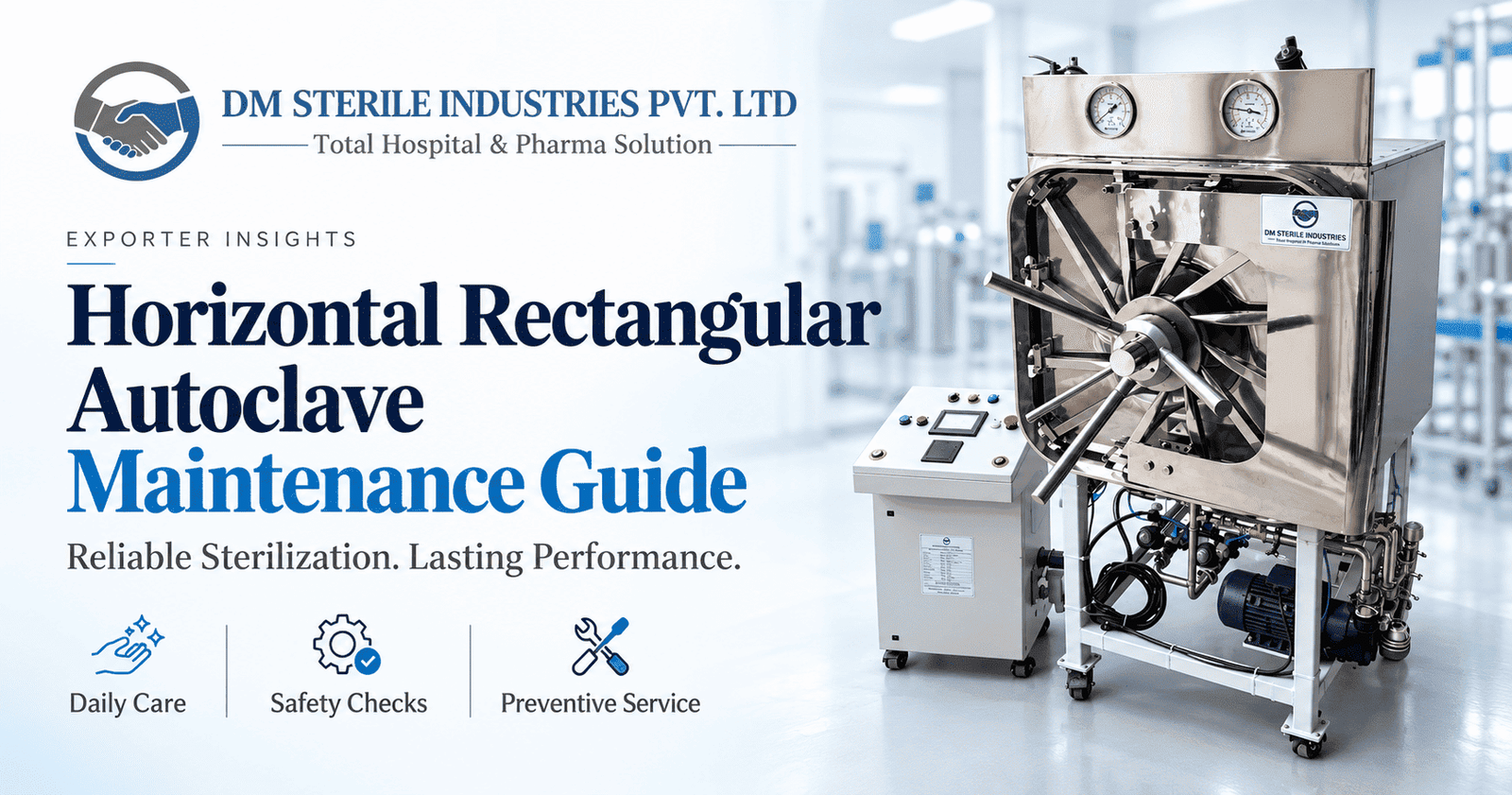
Horizontal Rectangular Autoclave exporter maintenance
Maintaining a Horizontal Rectangular Autoclave is paramount, especially for exporters who rely on the consistent and effective sterilization of critical materials for diverse industries. These robust machines, vital in pharmaceutical, healthcare, and biotechnology sectors, demand meticulous care to ensure operational efficiency, longevity, and, most importantly, the safety and integrity of the sterilized products. Proper exporter maintenance goes beyond routine cleaning; it involves a proactive approach to prevent breakdowns, ensure compliance with stringent standards, and uphold the reputation of both the equipment manufacturer and the end-user. This guide delves into the essential aspects of horizontal rectangular autoclave exporter maintenance, providing actionable insights to keep your sterilization processes running smoothly.
Understanding Horizontal Rectangular Autoclaves
Horizontal Rectangular Autoclaves are sophisticated pieces of equipment designed for high-volume sterilization using steam under pressure. Their defining characteristic is the rectangular chamber, which offers superior space efficiency compared to cylindrical models, allowing for larger loads and more efficient throughput. These units are indispensable in settings requiring high standards of sterility, such as Central Sterile Services Departments (CSSD) in hospitals, large pharmaceutical manufacturing plants, and advanced research laboratories.
The sterilization process typically involves creating a vacuum to remove air, followed by the introduction of saturated steam at specific temperatures and pressures (commonly 121°C or 134°C) for a defined period. A post-sterilization phase might include further vacuum cycles for drying. As exporters of these critical devices, understanding their operational nuances and maintenance requirements is fundamental to providing reliable solutions to global clients.
The Critical Role of Exporter Maintenance
For exporters, the performance and reliability of the autoclaves they supply are a direct reflection of their business. Effective exporter maintenance for Horizontal Rectangular Autoclaves ensures several key outcomes:
- Sterilization Efficacy: Consistent maintenance guarantees that the autoclave operates within precise parameters, ensuring that all microorganisms are eliminated and meeting stringent regulatory requirements for pharmaceuticals, healthcare, and research.
- Equipment Longevity: Proactive and routine upkeep significantly extends the operational lifespan of the autoclave, reducing the need for premature replacement and maximizing the return on investment for the end-user.
- Operational Efficiency: Well-maintained autoclaves operate at peak efficiency, consuming optimal energy and completing cycles without unexpected delays, crucial for high-throughput environments.
- Safety Assurance: Autoclaves operate under high pressure and temperature. Regular checks of safety features, such as pressure gauges and relief valves, are non-negotiable for preventing accidents and ensuring user safety.
- Reduced Downtime: Unexpected breakdowns can halt critical sterilization processes, leading to significant disruptions and financial losses. Regular maintenance helps identify and rectify potential issues before they cause failure.
- Client Satisfaction: Providing reliable equipment backed by clear maintenance guidance fosters trust and satisfaction among international clients, enhancing the exporter's reputation.
Essential Daily Maintenance for Horizontal Rectangular Autoclaves
Daily checks and cleaning are the bedrock of effective autoclave maintenance. These simple yet vital tasks ensure the equipment functions optimally and safely.
Daily Checklist: Always prioritize safety. Before commencing any cleaning or inspection, ensure the autoclave is switched off, unplugged, and has completely cooled down. Wear appropriate Personal Protective Equipment (PPE) such as heat-resistant gloves.
Pre-Operation Checks:
- Chamber Inspection: Visually inspect the sterilization chamber for any debris, residue, or foreign objects. Clean if necessary using a soft cloth and mild detergent.
- Door Gasket: Examine the door gasket for signs of wear, tear, or damage. A properly sealed gasket is crucial for maintaining pressure. Ensure it is clean and free from debris.
- Loading Practices: Ensure items are loaded correctly, not overcrowding the chamber, which can impede steam circulation and sterilization efficacy. Follow manufacturer guidelines for loading patterns.
Post-Operation Cleaning:
- Chamber Cleaning: After the autoclave has cooled, wipe down the interior chamber walls to remove any residual moisture or contaminants.
- Water Reservoir: If applicable, check and clean the water reservoir. Depending on the model, distilled or demineralized water may be recommended to prevent mineral buildup.
Weekly and Monthly Maintenance Schedules
Beyond daily tasks, a more thorough inspection and cleaning routine should be implemented weekly and monthly to address components that require less frequent attention but are critical for long-term performance.
Weekly Tasks:
- Deep Chamber Cleaning: Perform a more thorough cleaning of the chamber, paying attention to corners and crevices.
- Gasket Care: Lightly lubricate the door gasket with a silicone-based lubricant (if recommended by the manufacturer) to maintain its flexibility and sealing properties.
- Filter Check: Inspect and clean any filters within the system, such as air or steam filters, to ensure optimal steam flow and prevent blockages.
- Exterior Cleaning: Clean the exterior surfaces of the autoclave to maintain a professional appearance and prevent dust buildup.
Monthly Tasks:
- Safety Valve Test: Carefully test the pressure relief valve to ensure it is functioning correctly and will release excess pressure if needed. This should be done following manufacturer instructions.
- Pressure Gauge Calibration Check: Verify the accuracy of the pressure gauge. While full calibration might be annual, a visual check for correct operation is a good monthly practice.
- Drain Line Flush: Flush the drain lines to remove any sediment or buildup that could impede drainage and affect cycle efficiency.
- Biological Indicator Testing: Conduct a biological spore test to confirm the autoclave's ability to achieve complete sterilization. This is a critical validation step.
Proactive Preventive Maintenance Strategies
Preventive maintenance is key to ensuring reliability, especially for exporters sending equipment to diverse international markets where immediate on-site support might be challenging.
- Scheduled Servicing: Establish a schedule for professional servicing, aligned with the manufacturer's recommendations. This typically involves in-depth checks by trained technicians.
- Record Keeping: Maintain a detailed logbook of all maintenance activities, including daily checks, cleaning, repairs, and professional servicing. This is invaluable for tracking equipment history and troubleshooting.
- Spare Parts Management: For critical components like door gaskets, heating elements, and valves, maintain a stock of genuine spare parts. This ensures rapid replacement when needed, minimizing downtime.
- Operator Training: Ensure all personnel operating the autoclave receive comprehensive training on its functions, proper usage, daily maintenance, and emergency procedures. Well-trained operators are the first line of defense against operational issues.
- Environmental Considerations: Advise end-users on the ideal operating environment for the autoclave, including adequate ventilation, stable power supply, and protection from extreme temperatures, which can affect performance and longevity.
Buyer's Maintenance Checkpoints
When selecting a Horizontal Rectangular Autoclave, consider the ease of maintenance and the availability of support:
- Accessibility of Components: Are key components like the door gasket, filters, and valves easily accessible for routine checks and replacements?
- Manufacturer Support: Does the exporter provide comprehensive documentation, including detailed maintenance manuals and clear operating procedures? Is technical support readily available?
- Parts Availability: Are genuine spare parts easily obtainable, especially for international clients?
- Design for Maintenance: Does the autoclave's design facilitate straightforward cleaning and maintenance tasks?
DM Sterile Industries: Your Partner in Sterilization Reliability
DM Sterile Industries understands the critical importance of reliable sterilization equipment. Established in 2024 by Mr. Divyang Koshti and Mr. Maulik Jani, the company is committed to providing high-capacity, efficient, and safe Horizontal Rectangular Steam Sterilizers to both national and global markets. They offer fully automatic and semi-automatic models, characterized by their space-efficient rectangular chambers and advanced safety features. DM Sterile Industries is dedicated to end-to-end customer support, offering custom solutions and essential maintenance and safety guidance to ensure their clients achieve optimal performance from their autoclaves.
Their commitment extends to providing support for crucial aspects like regular inspection of door gaskets, daily cleaning of chambers and water tanks, performing biological indicator tests, ensuring correct item loading, and checking vital components like pressure gauges and safety valves. Partner with DM Sterile Industries for sterilization solutions that prioritize performance, safety, and long-term reliability.
Frequently Asked Questions
How often should the door gasket of a Horizontal Rectangular Autoclave be inspected?
The door gasket should be visually inspected daily for cleanliness and signs of wear. Deeper cleaning and lubrication (if recommended) can be performed weekly to maintain its sealing integrity.
What type of water should be used in the autoclave's water tank?
It is generally recommended to use distilled or demineralized water in the autoclave's water tank to prevent mineral buildup and scale formation, which can affect performance and longevity. Always consult the manufacturer's manual for specific recommendations.
Why are biological indicator tests important for autoclave maintenance?
Biological indicator tests are the most reliable way to confirm that the sterilization cycle has successfully killed all viable microorganisms, including resistant spores. Regular testing validates the autoclave's effectiveness and ensures compliance with safety standards.
What are the risks of overloading an autoclave?
Overloading an autoclave can prevent steam from circulating freely around all items, leading to incomplete sterilization. It can also impede proper drying and potentially damage the equipment or the items being sterilized.
How can I ensure my autoclave exporter provides adequate maintenance support?
When selecting an exporter, inquire about the availability of comprehensive maintenance manuals, technical support services, and genuine spare parts. DM Sterile Industries, for example, provides end-to-end customer support and maintenance guidance.
Conclusion: Ensuring Sterilization Excellence Through Maintenance
Effective exporter maintenance of Horizontal Rectangular Autoclaves is not merely a procedural task; it's a strategic imperative for businesses operating in highly regulated sectors. By adhering to daily, weekly, and monthly maintenance schedules, and implementing proactive preventive strategies, exporters can guarantee the reliability, safety, and efficacy of the sterilization equipment they provide. This commitment to upkeep directly translates to enhanced client satisfaction, reduced operational risks, and a strengthened market position. DM Sterile Industries is dedicated to supporting its global clientele with high-quality autoclaves and the necessary guidance to ensure their continuous, optimal performance.
Invest in Reliability, Invest in Maintenance
Ensure your sterilization processes are always at their best. Contact DM Sterile Industries today to learn more about our Horizontal Rectangular Autoclaves and the comprehensive support we offer to keep your equipment performing optimally, year after year.
Explore DM Sterile Solutions