
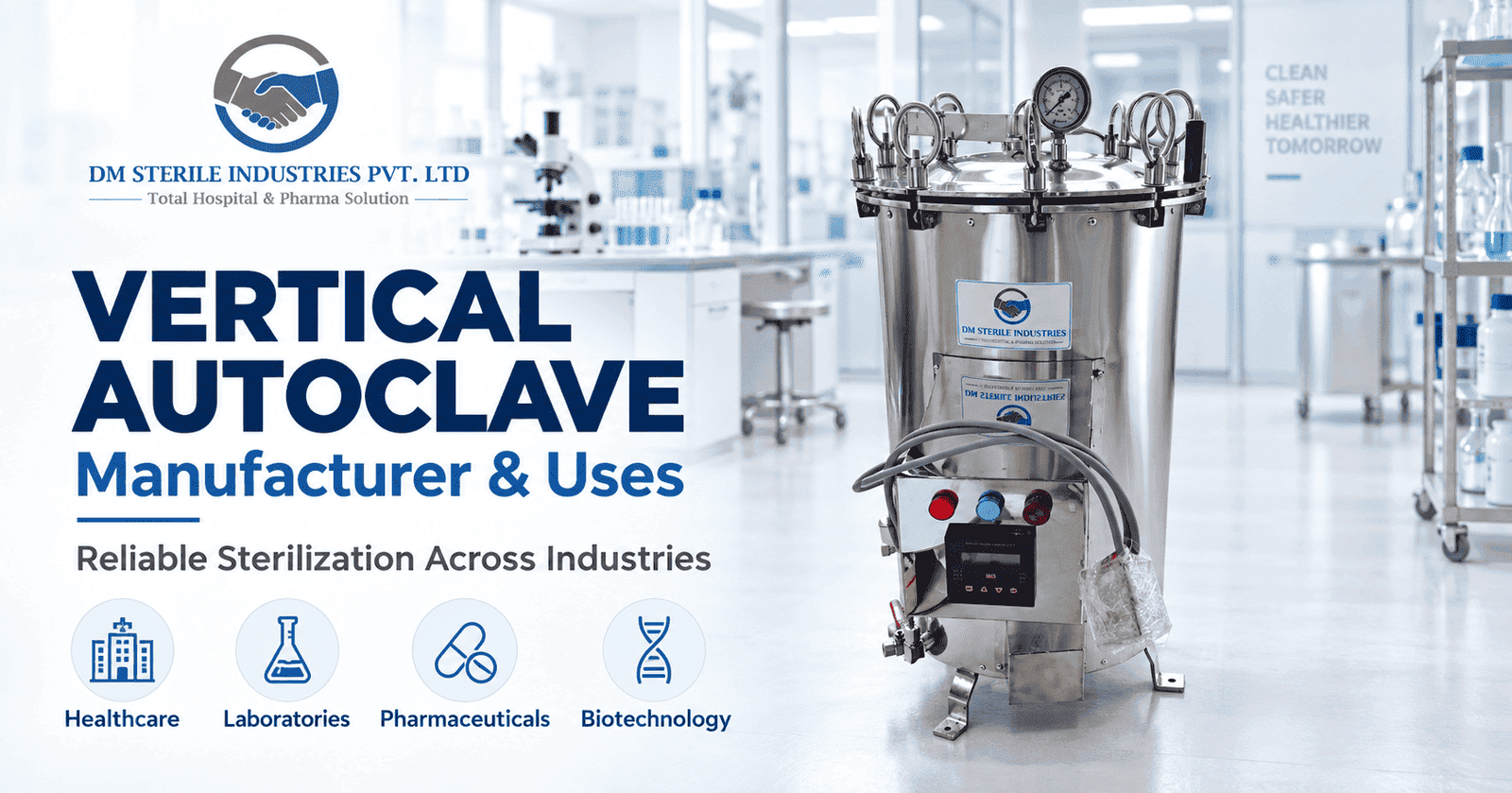
Vertical Autoclave manufacturer for uses
Vertical autoclaves are indispensable tools for achieving high-level sterilization across a multitude of industries. From healthcare settings to research laboratories and pharmaceutical manufacturing, these robust machines ensure the elimination of harmful microorganisms. Understanding their applications, benefits, and how to select a reliable manufacturer is crucial for any organization prioritizing safety and compliance.
Understanding Vertical Autoclaves
A vertical autoclave is a pressure vessel designed to sterilize equipment and supplies by employing high-pressure saturated steam. Its upright, space-saving design makes it a practical choice for facilities with limited floor space. Unlike horizontal models, vertical autoclaves are engineered to handle taller items that need to remain in an upright position during the sterilization cycle. They operate by displacing air with steam, creating an environment where extreme heat and pressure effectively destroy all forms of microbial life, including bacteria, viruses, spores, and fungi.
The process, often initiated through gravity displacement or vacuum-assisted cycles, ensures that every nook and cranny of the load is penetrated by sterilizing steam. This makes them vital for ensuring the safety and efficacy of medical instruments, laboratory consumables, and other critical materials.
Key Uses and Applications of Vertical Autoclaves
The versatility of vertical autoclaves makes them a cornerstone in various sectors. Their primary function is to provide reliable sterilization, essential for preventing infections and ensuring accurate experimental results.
Healthcare and Hospitals
Sterilizing surgical instruments, dental tools, laboratory glassware, patient care equipment, and dressings to prevent cross-contamination and hospital-acquired infections.
Laboratories and Research
Decontaminating culture media, laboratory glassware, pipettes, and biohazardous waste to ensure experimental integrity and maintain a safe working environment.
Pharmaceutical Industry
Sterilizing vials, stoppers, equipment, and materials used in drug manufacturing to meet stringent regulatory requirements and ensure product purity.
Biotechnology
Sterilizing equipment and consumables in biotech labs for cell culture, genetic research, and other sensitive biological applications.
Veterinary Services
Ensuring the sterility of instruments and supplies used in veterinary clinics and animal research facilities.
Specific Sterilization Needs
Vertical autoclaves are particularly useful for sterilizing items that are taller than they are wide, items that need to remain upright during the sterilization process (like certain liquids in sealed containers), and larger volumes of media or glassware. They are also effective for sterilizing biohazardous waste, ensuring that infectious materials are rendered safe before disposal.
Advantages of Using Vertical Autoclaves
Investing in a quality vertical autoclave offers significant advantages for operational efficiency and safety compliance.
- Effective Sterilization: High-temperature steam under pressure is a proven method for killing all types of microorganisms, ensuring a sterile environment.
- Space Efficiency: The compact vertical design requires less floor space compared to horizontal models, making them ideal for labs and clinics with limited room.
- Durability and Reliability: Typically constructed from high-grade stainless steel (like SS304 or SS316), these units are resistant to corrosion and built for longevity.
- Ease of Use: Modern vertical autoclaves often feature user-friendly interfaces, one-click operation, and automated cycles, simplifying the sterilization process.
- Versatile Applications: Suitable for a wide range of items, from delicate instruments to bulk media and challenging biohazardous waste.
- Compliance: Helps organizations meet stringent regulatory standards for infection control and product safety.
Selecting Your Vertical Autoclave Manufacturer
Choosing the right vertical autoclave manufacturer is a critical decision that impacts the reliability, safety, and efficiency of your operations. Consider the following factors:
Buyer Insight
When evaluating manufacturers, look beyond just the product specifications. Consider their track record, customer support availability, and commitment to quality. A trusted manufacturer will offer solutions tailored to your specific needs and provide ongoing support.
Key Selection Criteria:
- Product Range and Customization: Does the manufacturer offer a variety of vertical autoclave models (e.g., double wall, triple wall) to suit different capacity and performance needs? Can they provide custom solutions if your requirements are unique?
- Quality and Materials: Inquire about the materials used (e.g., SS304/316 grade stainless steel) and manufacturing standards. Ensure the autoclave is built for durability and resistance to the demanding sterilization environment.
- Features and Technology: Evaluate features such as cycle programming options (gravity, vacuum), safety mechanisms (pressure switches, vacuum breakers), ease of operation (digital controls, one-touch start), and efficiency enhancements (quick steam release).
- Support and Service: What kind of after-sales support does the manufacturer provide? Look for comprehensive customer support, including installation assistance, maintenance services, and readily available spare parts.
- Industry Experience: Does the manufacturer have proven experience serving your specific industry (e.g., pharmaceuticals, healthcare, research)? This often translates to a better understanding of your unique sterilization challenges.
- Quality Assurance and Compliance: Understand the manufacturer's quality control processes. While specific certifications may not always be listed, inquire about their commitment to producing equipment that meets industry expectations for safety and performance.
DM Sterile Industries: Your Trusted Partner
Established in 2024, DM Sterile Industries Private Limited is dedicated to providing high-quality sterilization solutions to national and global markets. Founded by Mr. Divyang Koshti and Mr. Maulik Jani, the company leverages expertise in sterilization technology to meet diverse client requirements.
DM Sterile Industries manufactures a range of vertical autoclaves, including robust double wall and triple wall models, designed for efficiency and reliability. Their product portfolio also extends to horizontal autoclaves, ETO sterilizers, CSSD furniture, automatic washer-disinfectors, ultrasonic cleaners, and heat sealing machines, offering comprehensive solutions for sterilization and infection control.
The company's commitment is evident in its focus on robust quality standards, advanced automation, and providing custom solutions. Serving critical sectors such as the Pharmaceutical Industry, Healthcare & Hospitals, Medical Device Manufacturing, and Biotechnology & Research Laboratories, DM Sterile Industries prioritizes end-to-end customer support and proven client satisfaction. They are equipped to cater to specific needs, ensuring that each solution is precisely aligned with the operational demands and safety protocols of their clients.
Frequently Asked Questions About Vertical Autoclaves
What is the primary function of a vertical autoclave?
The primary function of a vertical autoclave is to sterilize medical instruments, laboratory equipment, culture media, and other materials using high-temperature steam under pressure, effectively eliminating all forms of microbial life.
Are vertical autoclaves suitable for all types of loads?
Vertical autoclaves are excellent for sterilizing tall items, liquids in sealed containers, glassware, and general laboratory or medical supplies. However, for very porous loads or complex hollow instruments where thorough air removal is critical, a vacuum-assisted cycle (often found in horizontal or specialized vertical models) might be more effective than basic gravity displacement.
What is the difference between double wall and triple wall vertical autoclaves?
A double wall autoclave has an outer jacket for insulation, while a triple wall autoclave includes an additional jacket for steam or air, offering enhanced thermal stability, faster heating/cooling, and better control over the sterilization cycle, often leading to more efficient operation and reduced water consumption.
How often should a vertical autoclave be maintained?
Regular maintenance is crucial. Daily checks should include inspecting the door seal and cleaning. Weekly or monthly checks might involve testing safety valves and monitoring performance. Annual professional servicing, calibration, and validation are typically recommended to ensure optimal performance and compliance.
What safety features should I look for in a vertical autoclave?
Essential safety features include pressure relief valves, safety interlocks to prevent opening under pressure, low-water level cut-offs, and robust door seals. Digital controls with alarm indicators for critical parameters are also important.
Ready to Enhance Your Sterilization Process?
Ensure your facility meets the highest standards of safety and compliance with reliable vertical autoclaves from DM Sterile Industries. We offer robust, efficient, and customizable sterilization solutions tailored to your specific industry needs. Explore our range of vertical autoclaves and other sterilization equipment, and let our experts help you find the perfect fit for your application.