
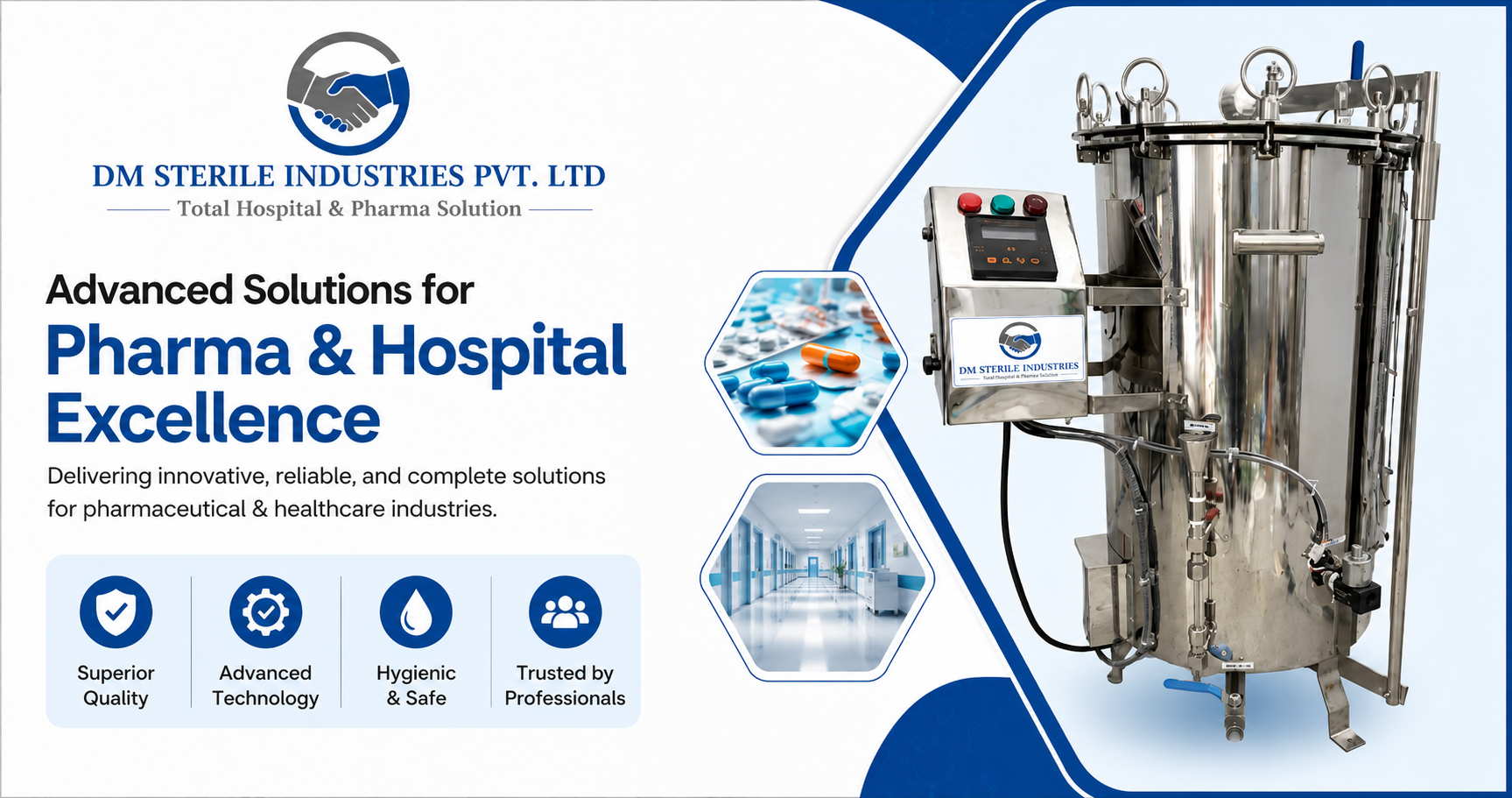
wholesale Vertical Autoclave for maintenance
Source wholesale vertical autoclaves for reliable sterilization and long-term maintenance in Ahmedabad, Gujarat. Understand features, applications, and selectio
Wholesale Vertical Autoclave for Maintenance in Ahmedabad, Gujarat
The integrity of sterilization processes is non-negotiable across critical industries, from pharmaceuticals to healthcare. For facilities in Ahmedabad, Gujarat, ensuring consistent, high-volume sterilization often involves procuring specialized equipment like vertical autoclaves. This equipment is not merely a purchase but an investment in operational reliability and compliance. Understanding the nuances of selecting and maintaining these essential sterilizers, especially when sourcing them wholesale for ongoing operational needs, is crucial for sustaining critical processes and safeguarding product quality and patient safety.
Why This Matters in Ahmedabad, Gujarat
Ahmedabad stands as a significant industrial and healthcare hub within Gujarat, boasting a robust presence of pharmaceutical manufacturing units, medical device companies, and a growing network of hospitals and research laboratories. These sectors demand rigorous sterilization protocols to meet national and international regulatory standards. The need for reliable, high-capacity vertical autoclaves, often procured in bulk for new facilities or as replacements for existing infrastructure, is constant. Businesses here require partners who can supply quality equipment and support its long-term operational efficiency through effective maintenance strategies.
What is a Vertical Autoclave — Overview
A vertical autoclave is a pressure chamber used to sterilize equipment and supplies by subjecting them to high-pressure saturated steam at elevated temperatures. Designed with a vertical loading mechanism, these units are particularly space-efficient and suitable for sterilizing a wide range of laboratory instruments, glassware, media, and medical waste. The sterilization process relies on the principle that steam under pressure achieves temperatures far exceeding boiling point, effectively killing microorganisms, spores, and viruses. These autoclaves are fundamental in preventing contamination and ensuring aseptic conditions in sensitive environments.
Key Features and Technical Specifications
- Robust Stainless Steel Construction: Typically fabricated from SS 304 or SS 316 grade stainless steel for durability and corrosion resistance.
- Double or Triple Wall Design: Enhances insulation, improves temperature uniformity, and provides a safer operating environment.
- Microprocessor-Based Control System: Offers precise control over sterilization cycles, temperature, and pressure, often with programmable settings.
- Digital Display: Provides real-time monitoring of temperature, pressure, and cycle status for operational oversight.
- Automatic Pressure Release Valve: Ensures safety by releasing excess pressure if it exceeds predefined limits.
- Water Level Indicator and Low Water Cut-off: Prevents heating element damage by automatically shutting off power when water levels are insufficient.
- Radial Locking System: Provides a secure and leak-proof seal for the lid during high-pressure operation.
- Integrated Safety Interlocks: Prevents the lid from opening until the chamber pressure has safely dropped.
Industrial Applications and Use Cases
- Pharmaceutical Manufacturing: Sterilizing media, glassware, and small equipment used in drug production and quality control.
- Healthcare Facilities & Hospitals: Sterilizing surgical instruments, dressings, linens, and laboratory tools in CSSD departments.
- Medical Device Manufacturing: Ensuring sterility of components and finished medical devices before packaging.
- Biotechnology & Research Laboratories: Sterilizing culture media, reagents, and laboratory waste to prevent cross-contamination.
- Food and Beverage Industry: Sterilizing containers, processing equipment, and ensuring product safety in certain applications.
- Veterinary Clinics and Animal Research: Sterilizing instruments and cages to maintain hygienic conditions.
- Educational Institutions: Used in science departments for sterilizing laboratory equipment and materials for experiments.
How to Choose the Right Vertical Autoclave
Selecting the appropriate vertical autoclave, especially for wholesale procurement, involves a careful evaluation of several factors to ensure it meets both current and future operational demands.
- Capacity and Size: Match the internal chamber volume to the typical load size and frequency of sterilization cycles required.
- Operating Pressure and Temperature Range: Verify that the autoclave can achieve and maintain the specific sterilization parameters needed for your materials.
- Material of Construction: Prioritize high-grade stainless steel (SS 304 or SS 316) for longevity, especially in corrosive environments.
- Safety Features: Look for comprehensive safety mechanisms, including pressure interlocks, over-pressure protection, and low water cut-off.
- Automation and Control: Evaluate the level of automation, programmable cycles, and data logging capabilities for ease of use and compliance.
- Certifications and Standards: Ensure the unit complies with relevant national and international quality and safety standards.
- Supplier Experience and Support: Choose a supplier known for reliable equipment, comprehensive after-sales service, and readily available spare parts.
- Energy Efficiency: Consider models designed for lower power consumption to reduce operational costs over time.
- Maintenance Requirements: Understand the routine maintenance schedule and the availability of local service technicians.
Quality Standards and Compliance
Adherence to stringent quality standards is paramount for any sterilization equipment. Buyers should verify that vertical autoclaves comply with relevant industry benchmarks such as ISO 9001 for quality management systems in manufacturing. For medical and pharmaceutical applications, compliance with standards like ISO 13485 (Medical Devices Quality Management Systems) and specific national regulations (e.g., BIS in India) is critical. These certifications ensure that the equipment is designed, manufactured, and tested to meet performance, safety, and reliability criteria. A reputable supplier will readily provide documentation of these compliances, offering assurance of the product's integrity and suitability for regulated environments.
Why Company Experience and Capability Matters
When investing in wholesale vertical autoclaves for long-term maintenance, the capability of the manufacturing partner is as important as the product itself. Dm Sterile Industries, established in Ahmedabad, Gujarat, brings a focused approach to sterilization technology. The company emphasizes robust quality standards throughout its manufacturing process, ensuring each vertical autoclave is built for reliability and consistent performance. Their technical team possesses the expertise to understand diverse industrial requirements, enabling them to offer custom solutions that integrate advanced automation and controls. This commitment extends to reliable delivery and comprehensive end-to-end customer support, which is vital for maintaining operational continuity and maximizing the lifespan of the equipment.
Installation, Maintenance and Care Tips
Proper installation and diligent maintenance are crucial for the longevity and efficient operation of vertical autoclaves, especially when managing multiple units in a wholesale setup.
Installation
Ensure the autoclave is placed on a stable, level surface with adequate clearance for ventilation and access.
Connect to a dedicated power supply that meets the unit's electrical specifications.
Use distilled or demineralized water to prevent scale buildup and extend the life of heating elements and the chamber.
Follow the manufacturer's guidelines precisely for initial setup and calibration.
Routine Maintenance:
- Daily: Inspect the chamber and lid gasket for any signs of wear, cracks, or debris. Clean the chamber interior to remove any residue.
- Weekly: Check the water level sensor and drain the chamber completely, refilling with fresh distilled water. Clean the pressure relief valve to ensure it operates freely.
- Monthly: Inspect all tubing and connections for leaks. Verify the accuracy of temperature and pressure gauges against a calibrated reference.
- Quarterly/Annually: Schedule professional servicing to check heating elements, control systems, and safety interlocks. Replace gaskets and seals as recommended by the manufacturer.
Care Tips
Never overload the autoclave; ensure proper spacing for steam circulation.
Always use appropriate sterilization bags or containers designed for high temperatures.
Document all sterilization cycles and maintenance activities for compliance and troubleshooting.
- Train operators thoroughly on safe and correct operating procedures.
Frequently Asked Questions
With diligent maintenance, including regular cleaning, timely replacement of wear parts like gaskets and seals, and professional annual servicing, a high-quality vertical autoclave can reliably operate for 10 to 15 years or even longer. The lifespan largely depends on the quality of initial construction, the frequency of use, and adherence to manufacturer-recommended care guidelines.
Yes, many manufacturers offer customization options for vertical autoclaves. This can include variations in chamber size, specific control system features, integration with data logging capabilities, or specialized material handling accessories. Discussing your unique operational requirements with the supplier is essential to ensure the autoclave meets your precise application needs.
It is highly recommended to use distilled or demineralized water in vertical autoclaves. Using tap water can lead to the accumulation of mineral deposits (scale) on heating elements and chamber walls, which reduces efficiency, can damage components, and may leave residues on sterilized items.
The pressure relief valve is a critical safety component and should be checked weekly to ensure it is free from obstructions and operates correctly. A more thorough inspection and functional test should be part of the quarterly or annual professional maintenance schedule to verify its calibration and reliable operation.
Key safety features include an automatic pressure release valve, a low water cut-off system to protect heating elements, safety interlocks that prevent the lid from opening under pressure, and over-temperature protection. These features are designed to ensure safe operation and prevent accidents during the sterilization cycle.
Reputable wholesale suppliers often provide initial training for operators on the correct use, basic troubleshooting, and routine maintenance of vertical autoclaves. This training is crucial for ensuring safe and efficient operation, maximizing equipment lifespan, and maintaining compliance with sterilization protocols.
Get In Touch
Dm Sterile Industries